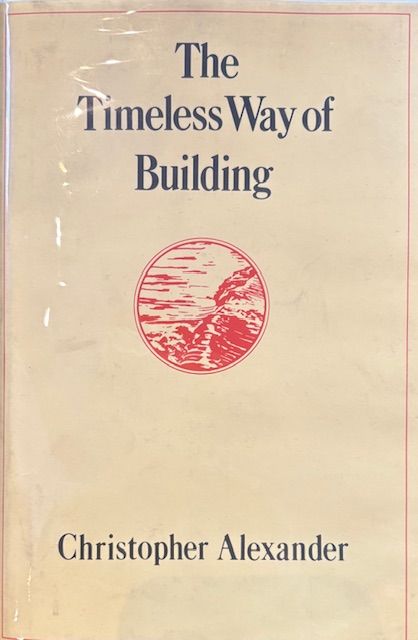
A philosophical exploration of how buildings and environments can be designed in harmony with human life.
Alexander argues that great places emerge from patterns that support human activity rather than from imposed architectural style.
Key Ideas
- The “Quality Without a Name” — a felt sense of life and wholeness in good environments
- Buildings should evolve from patterns of human behavior
- Good design is generative and participatory, not imposed
Why It Matters
Alexander’s work provides one of the most powerful frameworks for human-scale systems design. His thinking strongly influences modern approaches to:
- software architecture
- pattern libraries
- generative design systems