Key Ideas
- Collecting as a form of meaning-making → A library is not just a set of books, but a curated world shaped by personal history and desire.
- Ownership vs. use → The true collector values the possession and story of a book as much as (or more than) reading it.
- Books as memory containers → Each book carries traces of where, when, and why it was acquired.
- The thrill of the hunt → Acquisition—finding, buying, rescuing books—is central to the collector’s identity.
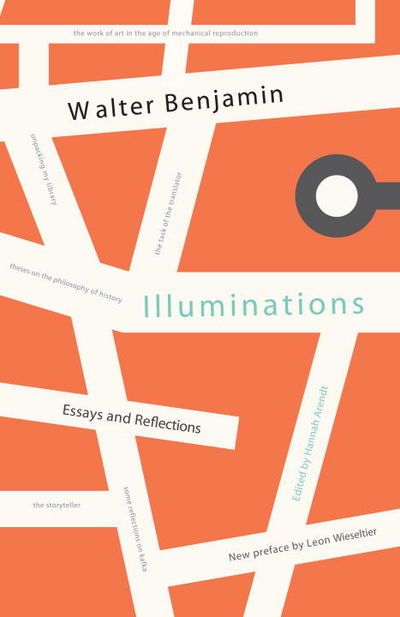
- Order emerges from chaos → The process of unpacking and organizing mirrors the way meaning is constructed from accumulated fragments.
Why It Matters
- It reframes collections (books, links, notes) as expressions of identity and lived experience, not just resources.
- It validates building libraries (like JPL’s) as personal knowledge systems shaped by narrative, not taxonomy alone.
- It highlights the importance of provenance, context, and acquisition stories as part of the value of any archive.